Embedded systems · IoT · Edge intelligence

Milad
Ansari

I am a Computer Engineering student at Shahid Beheshti University, graduating in January 2027.

Currently Seeking PhD-direct & Masters opportunities

Research interests

I am most interested in systems that bridge the physical and digital worlds: reliable embedded software, connected devices, and intelligence that runs where the data is created.

  • Embedded systems
  • Internet of Things
  • Edge computing
  • Embedded AI
  • Real-time systems
  • Digital twins

Education

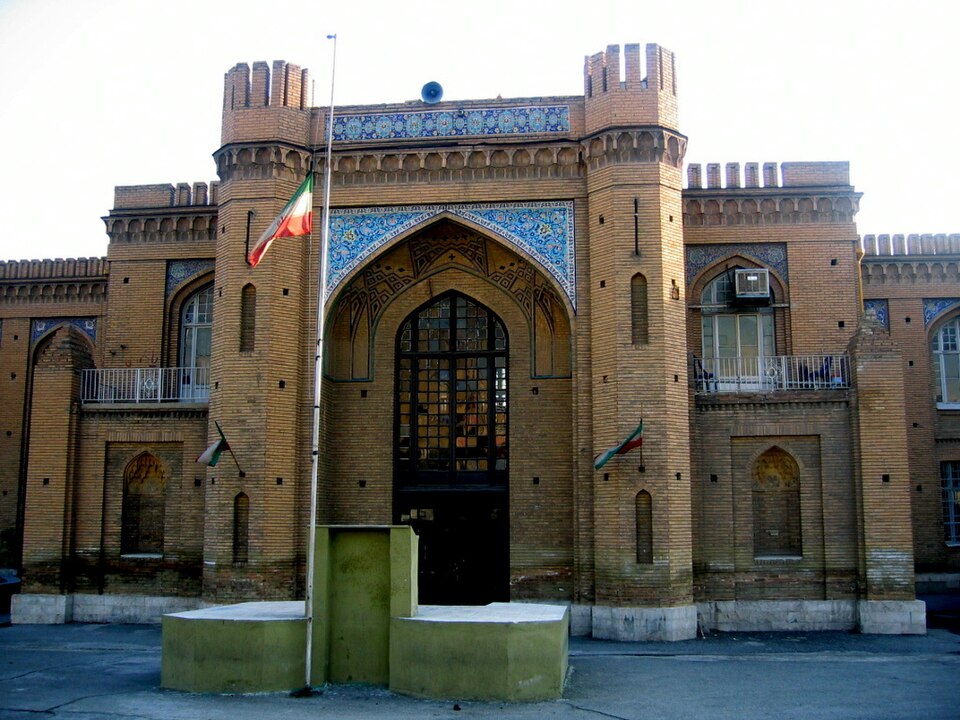
Shahid Beheshti University

B.Sc. in Computer Engineering · Sep 2022 — Jan 2027

Completed the undergraduate programme in Computer Engineering with a strong focus on Embedded Systems and the Internet of Things. Enrolled in a graduate-level project on connected homes at the Cyber-Physical Systems Lab alongside the program.
GPA: 16.87 / 20.0 (3.37 / 4.0 on U.S. Scale)

Volunteer Teaching Assistantship:
  • Advanced Programming
  • Data Structures
  • Discrete Mathematics
  • Linear Algebra
  • Algorithm Design
  • Computer Architecture
  • Microprocessors

Alborz High School

Diploma in Mathematics & Physics · Sep 2019 — Jun 2022

Completed a diploma in Mathematics & Physics, with a strong interest in mathematics, combinatorics, and algorithmic problem-solving.
GPA: 19.05 / 20.0 (4.0 / 4.0 on U.S. Scale)

Academic interests:
  • Mathematics
  • Physics
  • Combinatorics
  • Competitive Programming

Honors and Awards

Spring 2022

Amirkabir Collegiate Programming Contest

Gold Medal & First Place

View standings ↗

Experience

ICPC Student Team, Shahid Beheshti UniversityCompetitive Programming Team Member
Oct 2023 — Present
  • Represented Shahid Beheshti University in regional ICPC competitive-programming contests.
  • Helped design problems for selected programming contests at the university.
  • Mentored fellow students interested in competitive programming and algorithmic problem-solving.
Faculty of Computer Engineering, Shahid Beheshti UniversityVolunteer Teaching Assistant
Feb 2023 — Present
Allameh Helli “NODET” High SchoolAlgorithmic Problem-Solving Instructor
Summer 2022 · Fall 2023 · Spring 2024 · Fall 2024 · Spring 2025
  • Instructed students in IOI-style algorithmic problem-solving, mathematics, and combinatorics.
Amirkabir University of TechnologyAlgorithm Arena Course Instructor
Summer 2024
  • Instructed students in IOI-style algorithmic problem-solving through the Algorithm Arena course.
Alborz High SchoolAlgorithmic Problem-Solving Instructor
Fall 2021 · Summer 2023 · Summer 2024
  • Guided students in competitive programming, algorithms, and mathematical problem-solving.

Selected Projects

Secure device onboarding diagram
IoT · Embedded

Secure device onboarding

C++ firmware for ESP32-S3 secure MQTT-over-TLS telemetry, automated provisioning and claiming, backed by ThingsBoard CE, Docker, and PostgreSQL.

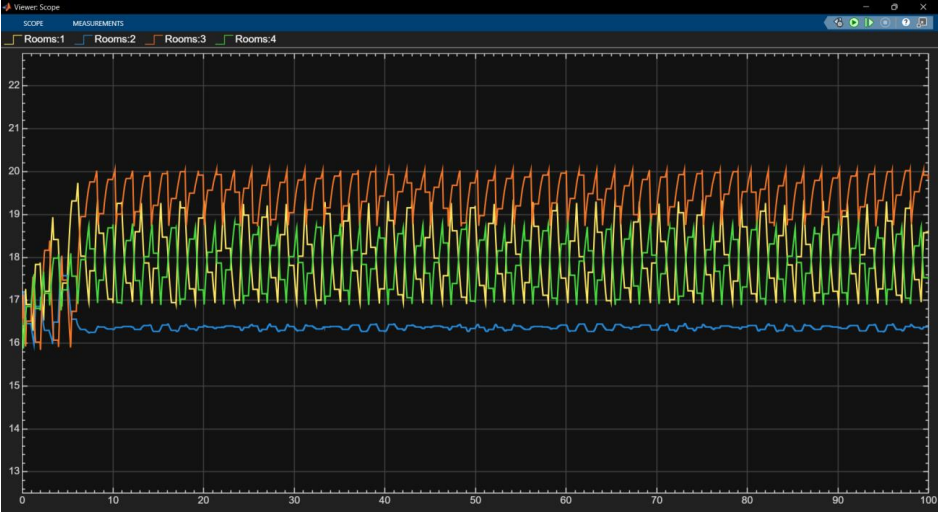
Simulink four-room heating-controller model
Real-time · Control

4-room heating controller

A model-based workflow for thermal dynamics with a six-state Stateflow controller, safety checks, generated C code, and Arduino validation.

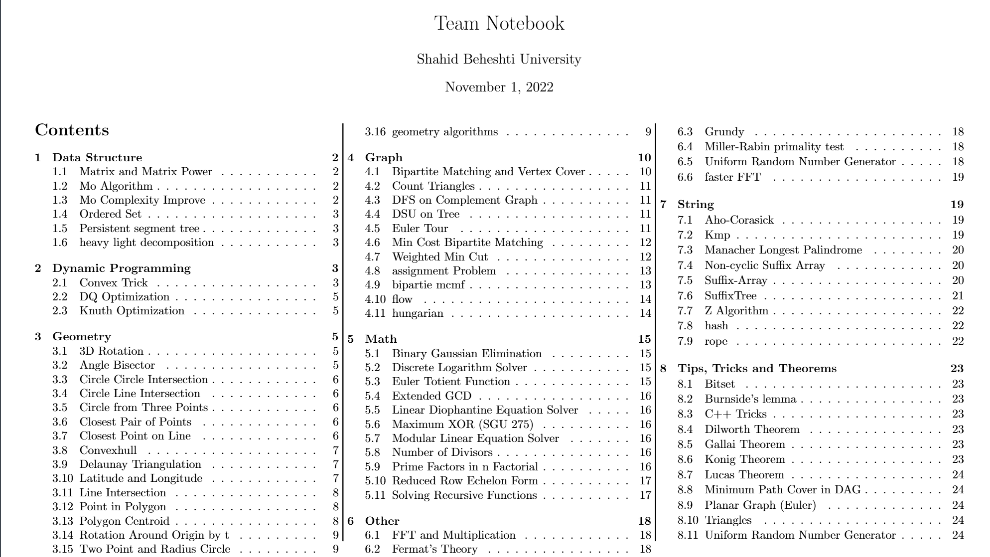
ICPC cheatsheet preview
Algorithms · Study

ICPC team notebook

A practical C++ cheatsheet spanning algorithms, data structures, graph theory, geometry, mathematics, strings, and contest preparation.

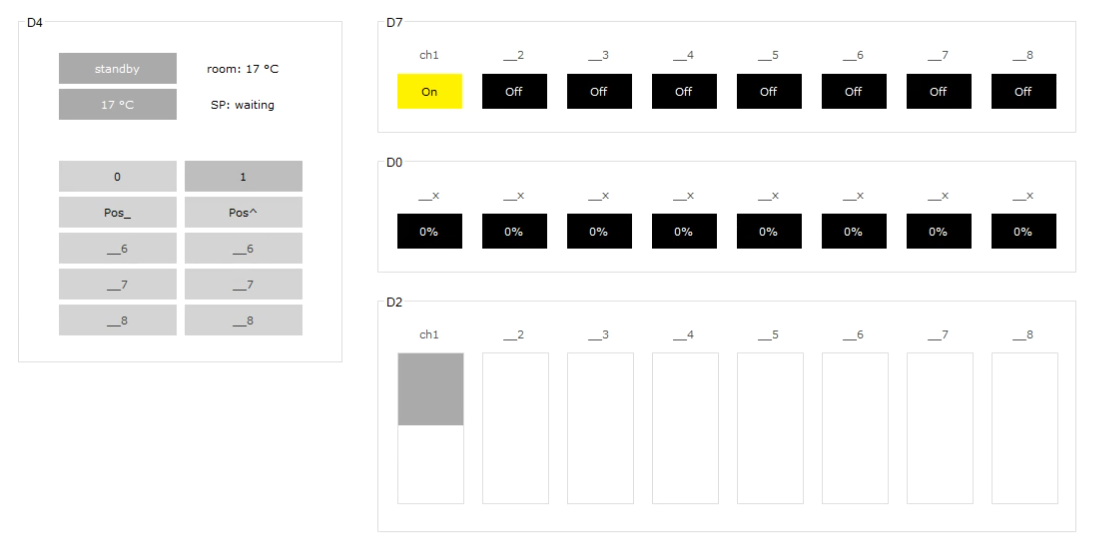
KNX smart-home dashboard
IoT · Smart home

KNX smart home with ThingsBoard

A KNX smart-home integration for monitoring and controlling lights, curtains, and temperature through ThingsBoard and a customized gateway.

MPU6050 Edge AI pipeline diagram
Edge AI · IoT

MPU6050 motion classification

An AIoT motion-classification pipeline using simulated MPU6050 signals, Edge Impulse WebAssembly inference, MQTT, and ThingsBoard monitoring.

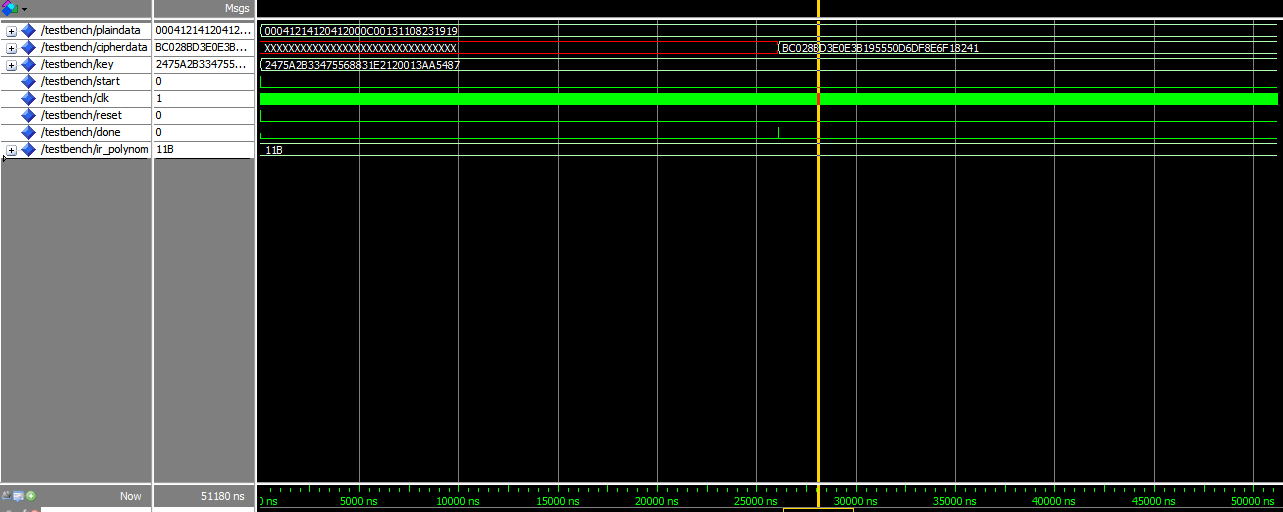
AES hardware project preview
Hardware · Security

AES-256 Verilog

Forked an existing AES-128 VHDL implementation and added an AES-256 implementation in Verilog to extend the repository’s hardware-encryption coverage.

MicroPython CAN support diagram
Embedded · Firmware

LVGL MicroPython CAN support

A focused fork of the MicroPython firmware: our only goal was adding CAN support, without changing the rest of the firmware.